
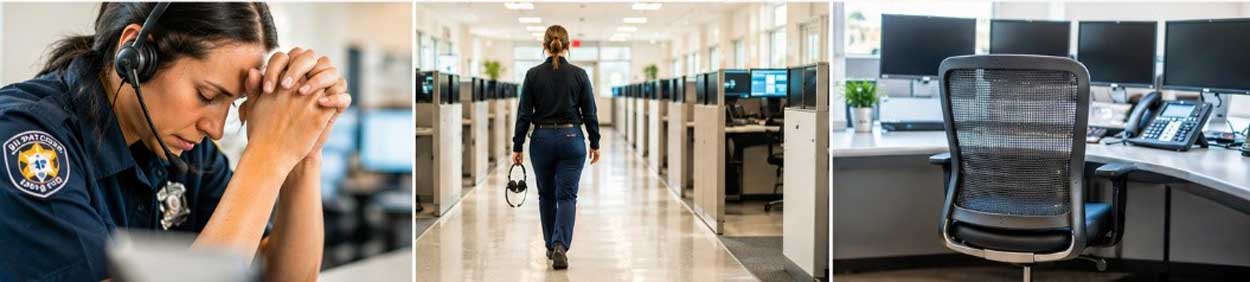
Calm Voice. Racing Heart. Empty Chair
When most people picture a first responder, they picture the person arriving on scene...the police officer, firefighter, or paramedic. But before any of them get there, someone answers the call.
Dispatchers and 911 telecommunicators are often the first point of contact during an emergency. They hear the panic before anyone sees it. They give CPR instructions to a parent. They hear the gunshots in the background. They keep someone talking until officers arrive. They listen to a child describe something no child should experience. And through all of it, they're expected to remain calm, gather accurate information, coordinate resources, and move on to the next call.
The fact that they're sitting behind a console doesn't mean their nervous system isn't responding to what they're hearing.
Calm Voice. Racing Heart.
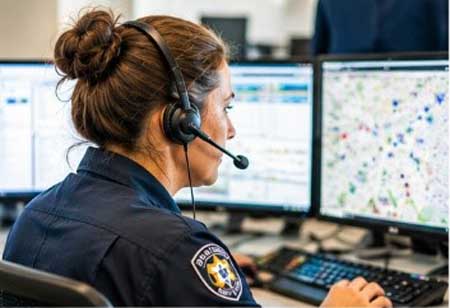
A dispatcher can sound completely controlled while their body is doing something very different.
A high-acuity call can activate the same survival response we associate with being physically present during an emergency; heart rate increases, muscles tense, attention narrows, and the brain prepares for danger. That's useful when you're managing a crisis. The problem is what happens when the crisis ends. For the officer, fire crew, or EMS team, there may eventually be a return to the station, a drive back, a conversation with a partner, or at least some physical separation from the scene. Dispatch may disconnect from one traumatic call and immediately hear, "911, what's the address of your emergency?" There isn't always time to process what just happened.
Sometimes they don't even know how it ended.
Research increasingly supports what dispatchers have known for years: repeated exposure to critical incidents and occupational stress can take a toll. A 2025 federal systematic review found meaningful rates of depression, secondary traumatic stress, acute stress, alcohol misuse, suicidal thoughts, and burnout among emergency telecommunicators. After critical incidents, researchers found particularly elevated levels of general stress.
But the calls themselves are only part of the equation.
 Then There's the Empty Chair
911 centers across the country continue to struggle with recruiting and retaining telecommunicators. The National 911 Program identifies staffing and retention as ongoing challenges for emergency communication centers. And this is where mental health and operations begin feeding each other. When a center is short-staffed, the calls don't stop.
Someone works overtime. Someone stays late. Someone comes in on a day off. Vacations become harder to schedule. Breaks get shorter. Sleep gets disrupted. Family time gets pushed aside. A national 911 staffing survey found work hours/schedule, stress, overtime, and time off among the reasons telecommunicators reported leaving their agencies.
Think about that cycle:
- More stress
- less recovery
- burnout
- turnover
- fewer dispatchers
- more overtime
- even less recovery.
 When the Three Collide
This is where trauma, physiology, and staffing become difficult to separate. A dispatcher who has already spent years hearing other people's worst moments may now be working additional shifts because the center is understaffed. That means less sleep. Less exercise. Less time with family. Less opportunity to decompress. Maybe more caffeine just to stay awake. Maybe alcohol to shut the brain off afterward. Maybe irritability at home, isolation, emotional numbness, anxiety, or simply feeling like they're always "on." Poor work-life integration has been associated with greater burnout among 911 telecommunicators, while feeling valued, included, and connected to meaningful work has been associated with lower burnout.
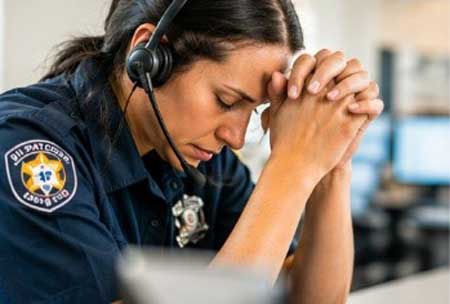
None of this means someone isn't capable of doing the job. In fact, many dispatchers become extraordinarily good at functioning under pressure. That's part of what can make recognizing a problem difficult. You can still answer the phone. You can still send the right units. You can still sound calm. You can still make everyone else believe you're fine. And still be exhausted.
 Keeping the Person in the Chair
We talk a lot about recruiting new dispatchers. That's necessary. But we also need to talk about keeping the experienced ones healthy enough to stay. That means looking beyond staffing numbers and recognizing the human being wearing the headset.
Peer support matters. Leadership matters. Adequate time away from work matters. Sleep matters. Being able to step away after a particularly difficult call matters. And access to mental health support from professionals who understand first responder culture matters. Some emergency communication centers are already moving in that direction, incorporating wellness programs, peer support, decompression spaces, and other resources specifically designed for telecommunicators. And sometimes outpatient support isn't enough.
At GRIT at Magnolia Meadows, dispatchers are part of the first responder community we serve. Our trauma-focused programming addresses far more than a diagnosis. Treatment may involve cumulative trauma, anxiety, depression, sleep problems, substance use, grief, relationships, emotional regulation, or simply years of carrying things that were never really dealt with. Residential treatment and PHP with supportive living can provide something particularly difficult to find inside a busy communication center:
Time away from the console.
Time to sleep. Time to process. Time to understand what the body and brain have been doing for years. Time to build healthier ways of managing what comes with the job. Because the voice on the other end of 911 may sound calm. That doesn't mean the person behind it hasn't been carrying the weight of thousands of calls.
Magnolia Meadows Residential Treatment Facility provides Treatment exclusive for First Responders & Veterans battling Trauma, Mental Health Conditions and Co-Occurring Disorders, creating a healing atmosphere for recovery, and instill a confident hope that better days are ahead.
Reach out to learn more or speak with an admissions specialist.
855-644-7500
info@magnoliameadows.com